Building Critical Thinkers: The Creative Power of Holiday Robotics
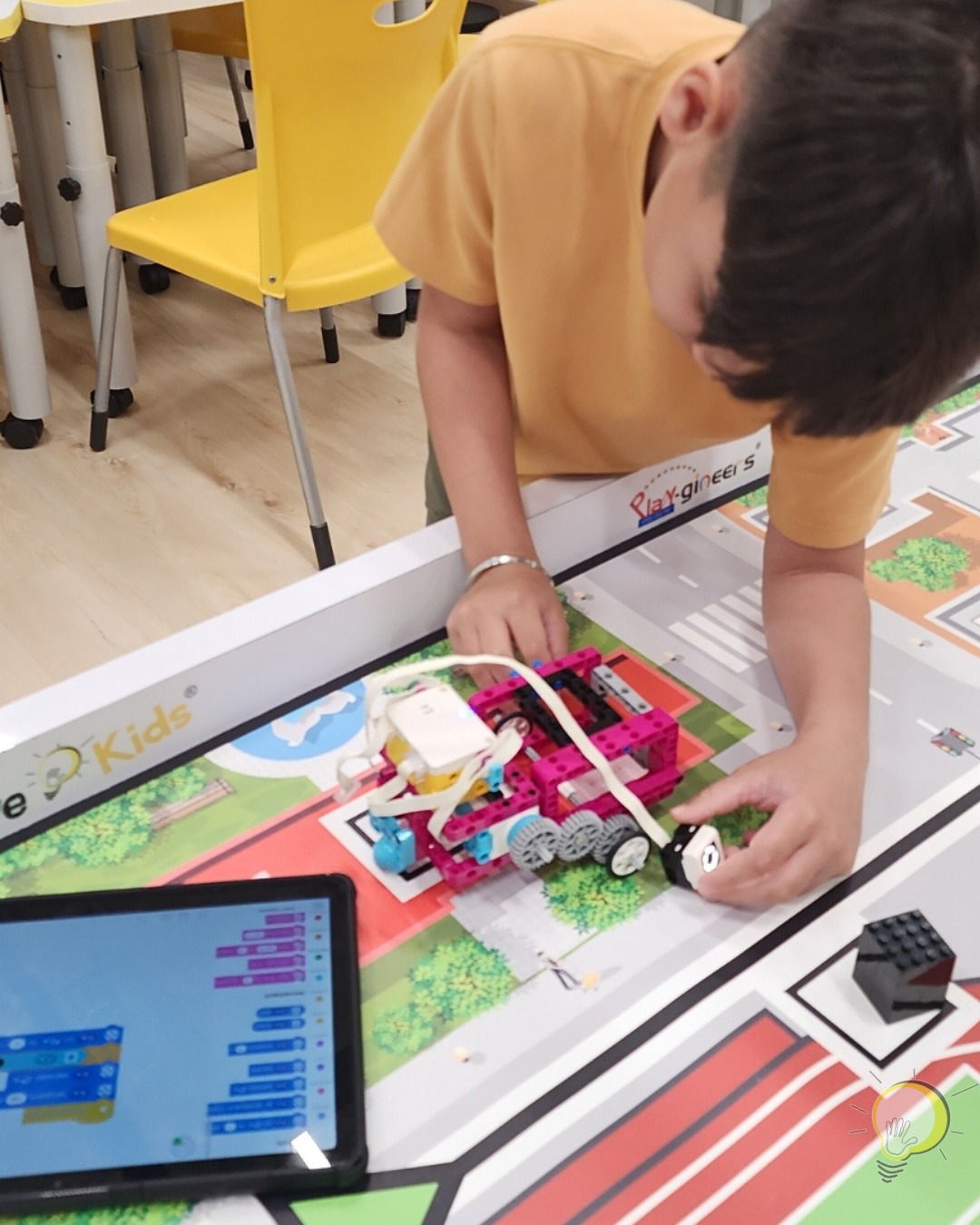
Learning Beyond the Manual
In an era where technology is integrated into every aspect of life, understanding how to navigate and create with it is an essential skill. Our holiday robotics program for children aged 7 to 12 is designed to move beyond the traditional "follow the instructions" model. Instead, we focus on fostering independent thought and creative problem-solving through hands-on building and coding, encouraging students to develop their own unique solutions from the ground up.
Foundational Skills for Younger Learners
For our younger participants, the journey begins with focused, manageable challenges. By concentrating on one core concept at a time, children build a strong understanding of the fundamentals, such as movement, control, and the relationship between cause and effect. This structured yet open approach allows them to see the immediate impact of their decisions, building a solid base for more complex projects in the future.
Complex Problem Solving for Older Students
As learners grow in experience, the challenges become more open-ended and sophisticated. Older students are encouraged to manage multiple ideas simultaneously, learning how to plan, test, and refine their designs through trial and error. This iterative process is vital for developing resilience; by making small, thoughtful adjustments, students experience the satisfaction of overcoming obstacles and seeing their vision come to life.
Applying Logic and Mathematics in the Real World
One of the most rewarding aspects of robotics is seeing abstract classroom concepts put into practice. Throughout the program, students apply mathematical principles—including fractions, decimals, angles, and sequencing—in a way that feels meaningful and relevant. As they fine-tune their robots, they aren't just learning to code; they are building a steady confidence in their ability to solve problems and think logically about the world around them.